Turning Asia’s Middle East Exposure into Strategic Influence
For decades, the Middle East and Asia were treated as separate strategic theatres. The Middle East was associated with conflict, energy, and geopolitical…
For decades, the Middle East and Asia were treated as separate strategic theatres. The Middle East was associated with conflict, energy, and geopolitical rivalry, while Asia emerged as a center of trade, manufacturing, technology, and growth. That distinction is becoming increasingly difficult to sustain.
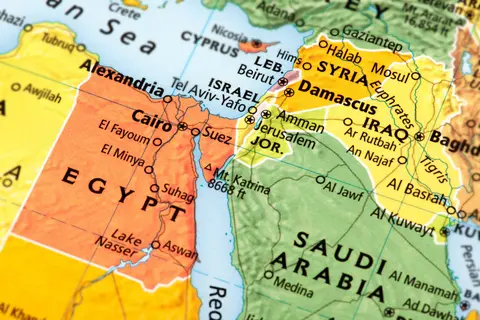
Energy routes, shipping lanes, investment flows, and supply chains now connect the Gulf with the Indian Ocean, Southeast Asia, and East Asia in an interdependent system. Disruptions in the Strait of Hormuz or Bab al-Mandab can raise energy prices, freight costs, and insurance premiums, while affecting food and fertilizer supplies and adding inflationary pressure across Asian economies.
Asia’s exposure is significant. In 2024, around 84 percent of crude oil and condensate and 83 percent of LNG passing through the Strait of Hormuz were destined for Asian markets. China, India, Japan, and South Korea together received around 69 percent of crude and condensate flows through the strait, while roughly 55 percent of ASEAN crude oil imports came from the Middle East.
Yet Asia’s growing economic weight has not translated into equivalent strategic influence. China, India, Japan, South Korea, and ASEAN recorded around US$788.4 billion in merchandise trade with the six GCC economies in 2024, around four times the GCC’s trade with the European Union. Nonetheless, decisions on escalation, sanctions, maritime security, and political settlements remain largely shaped by actors in the Middle East, the United States, and a limited group of diplomatic intermediaries.
This creates a strategic opening for Indonesia. Its advantage lies not primarily in military power but in its convening legitimacy, maritime relevance, and broad acceptance across geopolitical blocs. Through ASEAN, Indonesia can help build practical cooperation around energy resilience, maritime security, civilian protection, crisis communication, and the safety of ASEAN nationals.
That role should begin at home. An Indonesian Middle East Strategic Coordination Unit could strengthen risk monitoring, energy and maritime contingency planning, diaspora protection, and crisis communication. Indonesia can then use ASEAN-GCC, ASEAN+3, and the East Asia Summit to widen coordination.
As instability moves east through ships, energy, capital, and trade, Indonesia and ASEAN need greater capacity not to absorb its consequences, but to anticipate risks and protect their interests.