More Tourist, Less Profit: Indonesia's Tourism Paradox
Travel activity in Indonesia continues to increase, a data from Statistics Indonesia (BPS) recorded 12.01 million international tourist arrivals between…
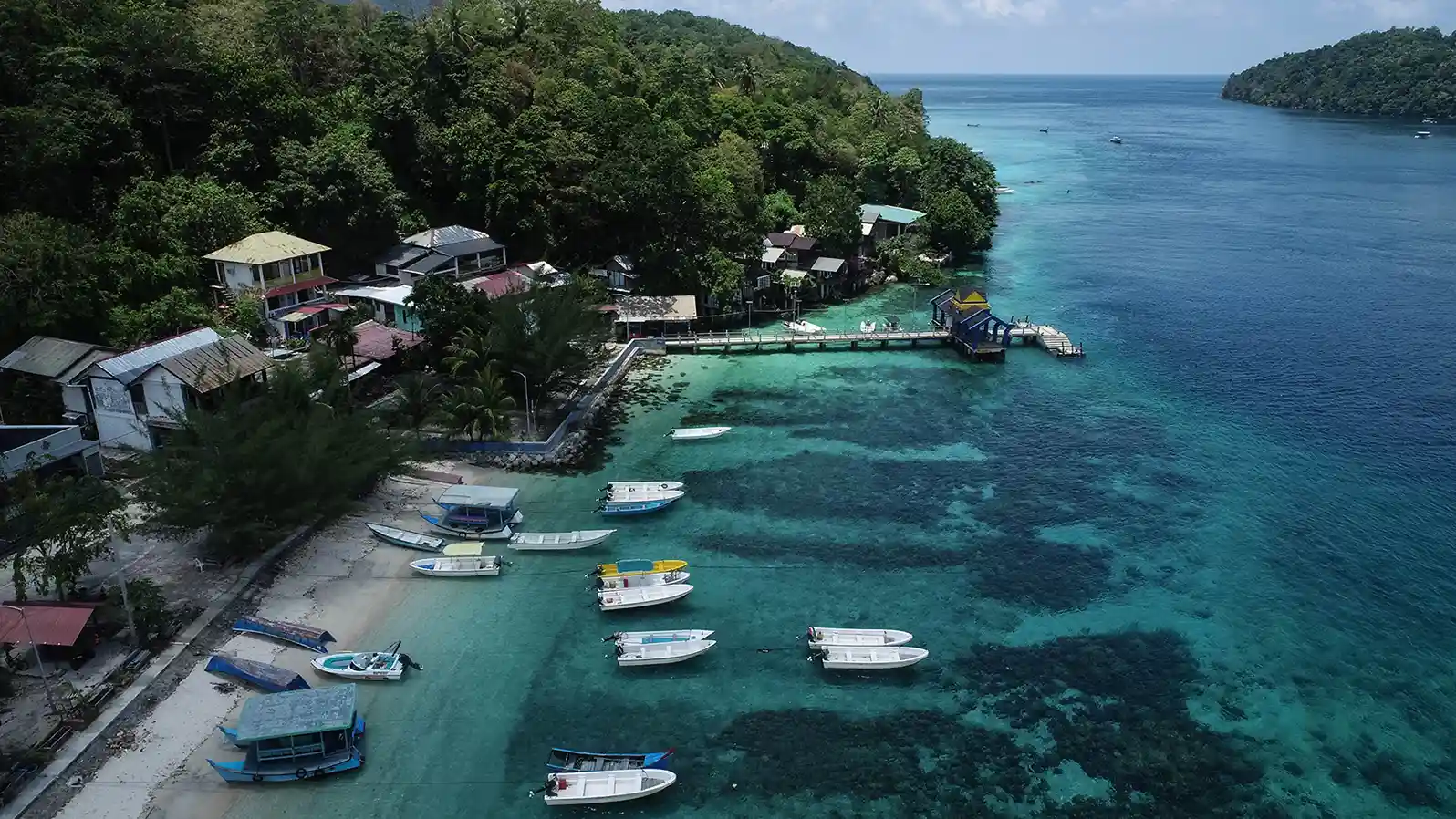
Travel activity in Indonesia continues to increase, a data from Statistics Indonesia (BPS) recorded 12.01 million international tourist arrivals between January and September 2026, up 5.01 percent from the same period last year. Domestic tourist trips also rose by 4.10 percent to 938.84 million. However, higher travel volumes do not necessarily translate into stronger business performance across the tourism industry.
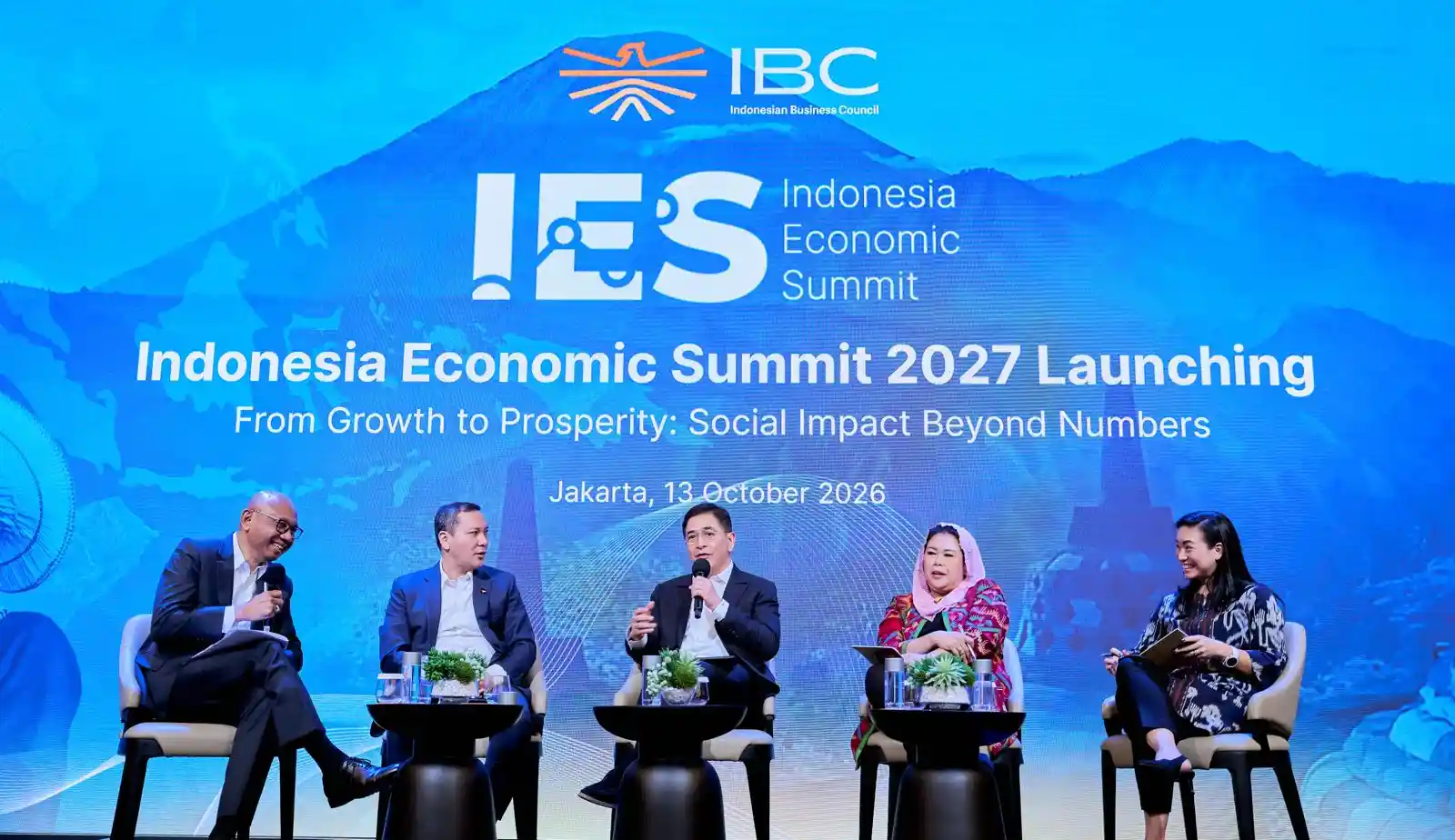
The Indonesian Business Council (IBC) believes that rising tourist numbers must be accompanied by stronger business revenues and competitiveness. As consumer spending patterns shift, Indonesia’s tourism industry faces a challenge beyond attracting more visitors. It is equally important to ensure that tourism activity generates sustainable economic value for businesses and local communities.
Many hospitality businesses continue to face pressure from lower room rates, rising operating costs, and reduced demand for meetings and conferences. Higher hotel occupancy does not always translate into comparable revenue growth. At the same time, domestic travellers are becoming more selective with their spending, opting for nearby destinations and adjusting their budgets for accommodation, dining, and recreational activities.
These changes require businesses to adapt through service innovation, product diversification, and the development of more compelling travel experiences. However, IBC emphasizes that business adaptation must be supported by policies that strengthen household purchasing power while improving industry competitiveness. Better transport connectivity, lower operating costs, regulatory certainty, and coordinated destination promotion are essential to creating a more supportive business environment.
Strengthening domestic tourism demand must also go hand in hand with attracting more international visitors and encouraging greater spending within Indonesia. Developing experience-based tourism, hosting international events, and integrating micro, small, and medium enterprises (MSMEs) into tourism value chains can create new business opportunities and support job creation.
For IBC, the tourism industry's success should be measured not only by visitor numbers, but also by its ability to strengthen business revenues, encourage investment, and create productive employment. Increased tourism activity must translate into broader economic value creation, ensuring that its benefits reach businesses, workers, and communities across Indonesia.