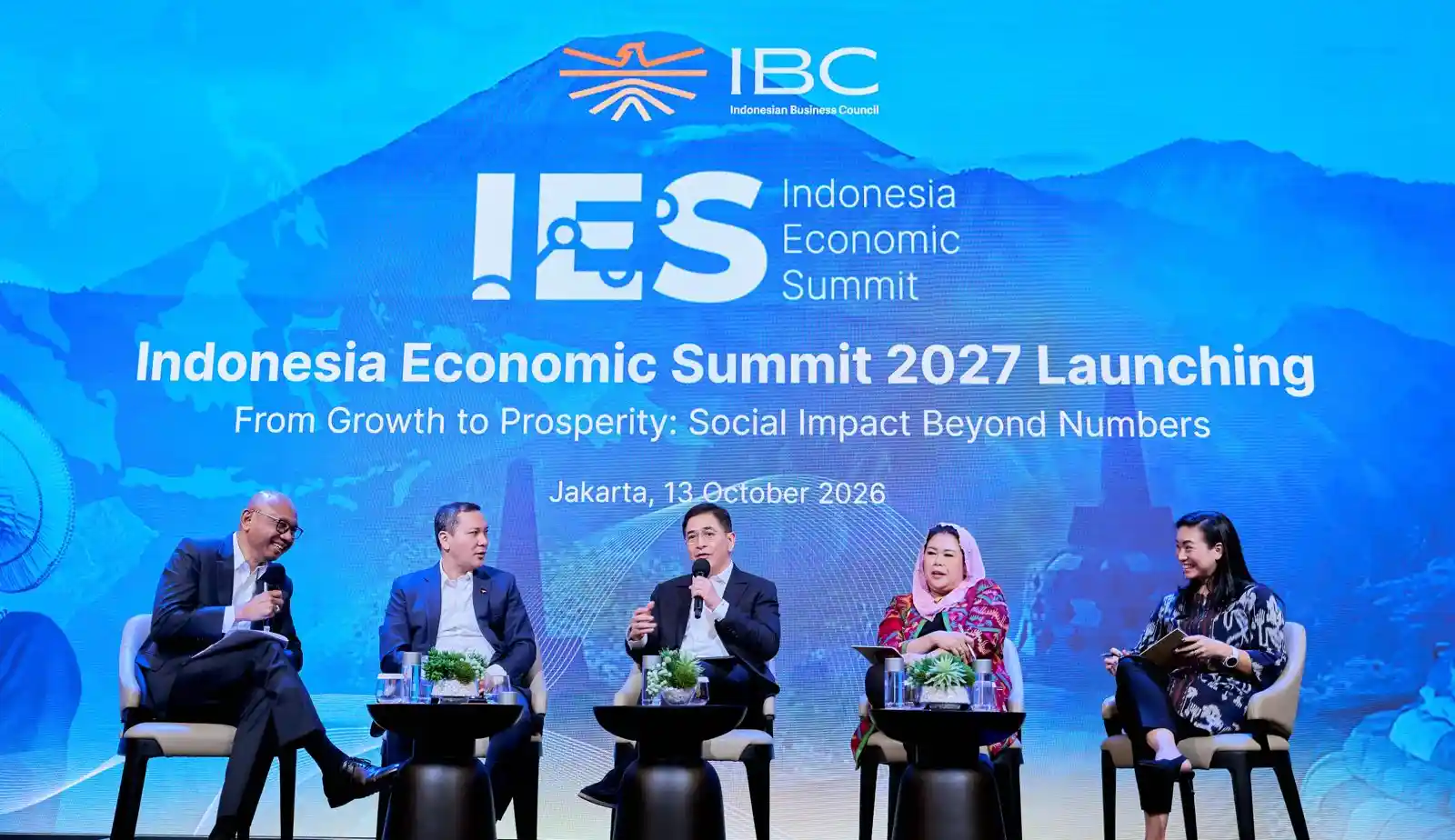
IES Discusses PMI Financing Bottlenecks to Boost Employment
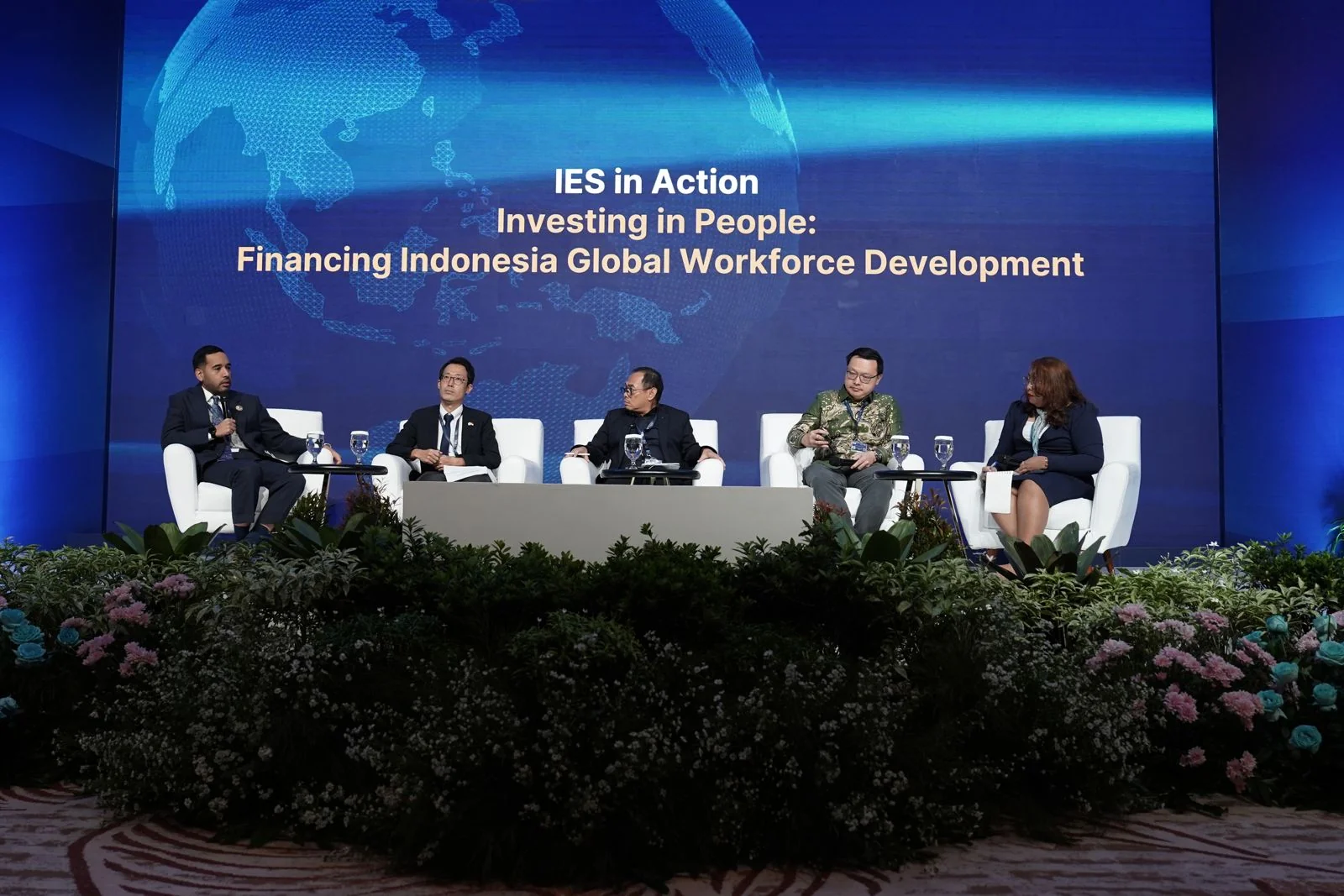
Jakarta, February 4, 2026— The opportunities for employment through the Indonesian Migrant Worker (PMI) pathway are substantial and increasingly relevant amidst pressures in the domestic labour market. However, without adequate financial support, these potential risks will not be translated into quality job placements. This issue became one of the focuses of the Indonesia Economic Summit (IES) in session, Investing in People: Financing Indonesia Global Workforce Development, bringing together government, business, and stakeholders to discuss aspects of sustainable financing. Deputy Minister for Protection of Indonesian Migrant Workers, Christina Aryani, emphasized that increasing the competitiveness of migrant workers in the global market requires a more structured approach. "We must ensure that the curriculum and technical competencies of migrant workers are aligned with market needs, supported by language proficiency and globally recognized international certification. By synchronizing the training capacity of 37,000 existing vocational institutions, we aim to place migrant workers who are more qualified, protected, and able to provide long-term economic impact for their families and regions of origin," he said. The biggest financing challenges arise in the early stages of preparation. For one placement pathway to Japan, total pre-departure costs can reach around Rp. 75 million, with more than Rp. 42 million. Some of these are absorbed for training and certification before obtaining a work contract. However, access to formal financing at this stage remains very limited. Throughout 2024, only 2.458 PMI accessed financing through the PMI KUR scheme, while the total placement in the same period reached more than 297 thousand people, indicating a large gap between financing needs and available instruments. In addition, the discussion also highlighted that financing challenges are faced not only by prospective migrant workers but also by supporting industry players throughout the ecosystem, including job training institutions (LPK) and Indonesian Migrant Worker Placement Companies (P3MI). Limited access to financing, cash flow challenges, and perceptions of high risk are considered to hinder capacity building and service quality from training through placement. The government's initiative for 500 thousand vocational training. The government's initiative is seen as a strategic step to strengthen the readiness of the Indonesian migrant worker workforce. However, the discussion also emphasized that the program's success depends heavily on integrated financial support."We commend the government for its approach to developing migrant workers, which has now shifted to low- to mid-skilled workers who are being prepared for the needs of more specific sectors. However, this transition faces funding challenges, as without such support, it is difficult to scale up training and placement." said IBC Director of Program and Policy, Prayoga Wiradisuria. This discussionDiscussing the direction of government policy regarding the development and financing of migrant workers (PMI), the relationship between vocational training programs and sustainable financing schemes, the financing gap faced by prospective PMI, LPK, and P3MI, as well as the role of the private sector, financial institutions, development partners, and philanthropy in sharing risks and strengthening the labor mobility financing ecosystem. From an economic and industrial perspective, PMI development is positioned as a productive investment for the national economy. In addition to improving worker welfare, strengthening PMI financing also impacts the growth in the number of qualified migrant workers and strengthens the reputation of the Indonesian workforce in the global market. Sustainable financing is considered crucial for maintaining the quality, scale, and competitiveness of the PMI ecosystem. On the same occasion, a handover policy brief, entitled "Financing Indonesia’s Global Workforce: Unlocking Opportunity for Five Hundred Thousand Migrant Workers" to Deputy Minister Christina. Through the PMI session, IES is expected to strengthen cross-sectoral alignment and provide concrete direction for developing a financing system capable of supporting PMI and its supporting industries as part of Indonesia's long-term economic development strategy.