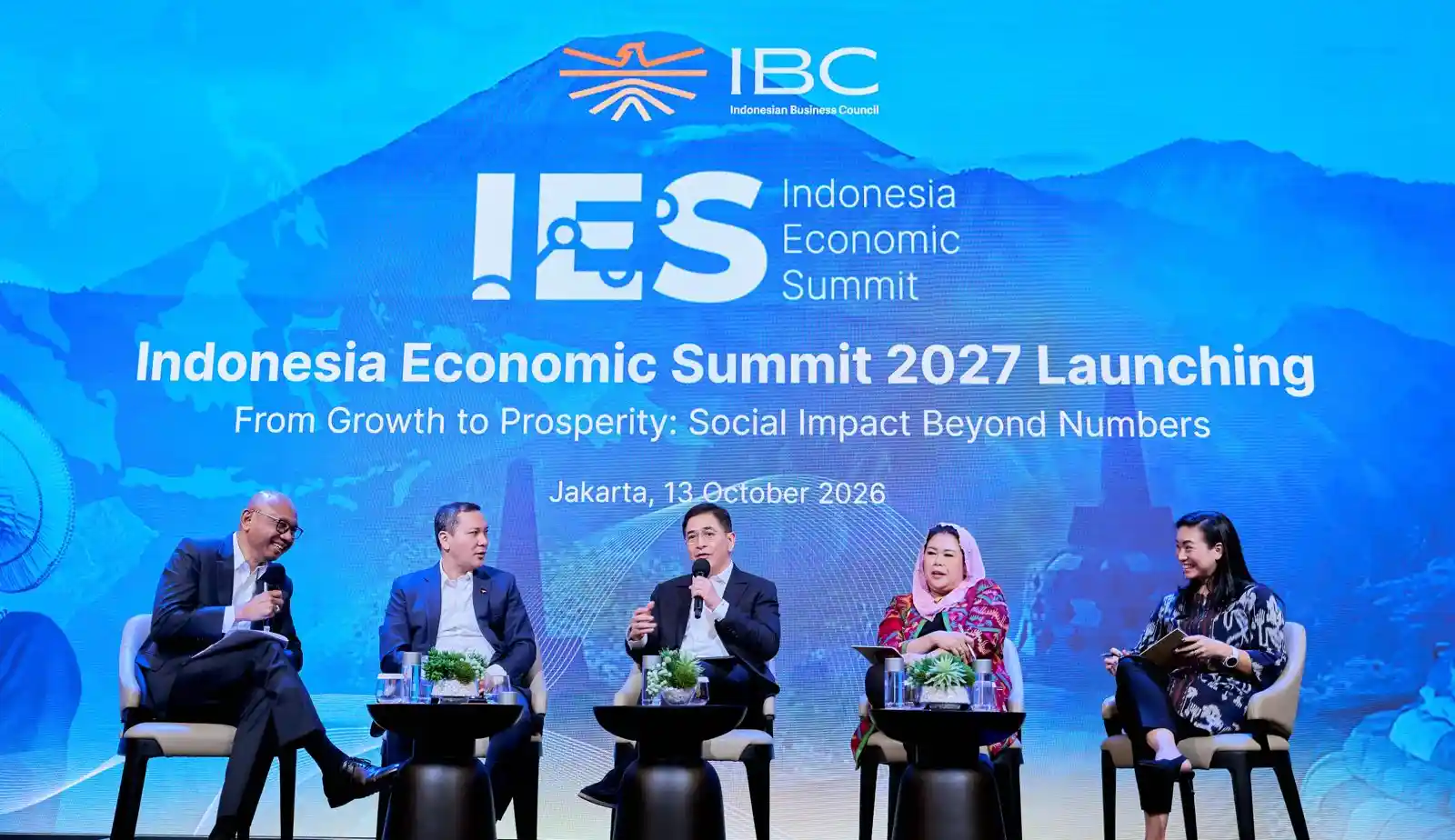
IBC Highlights Industrial Estates and SEZs as Key to Turning Investment Interest into Jobs
The Indonesian Business Council (IBC) believes Indonesia remains one of the region’s most attractive long-term investment destinations. Its large domestic…
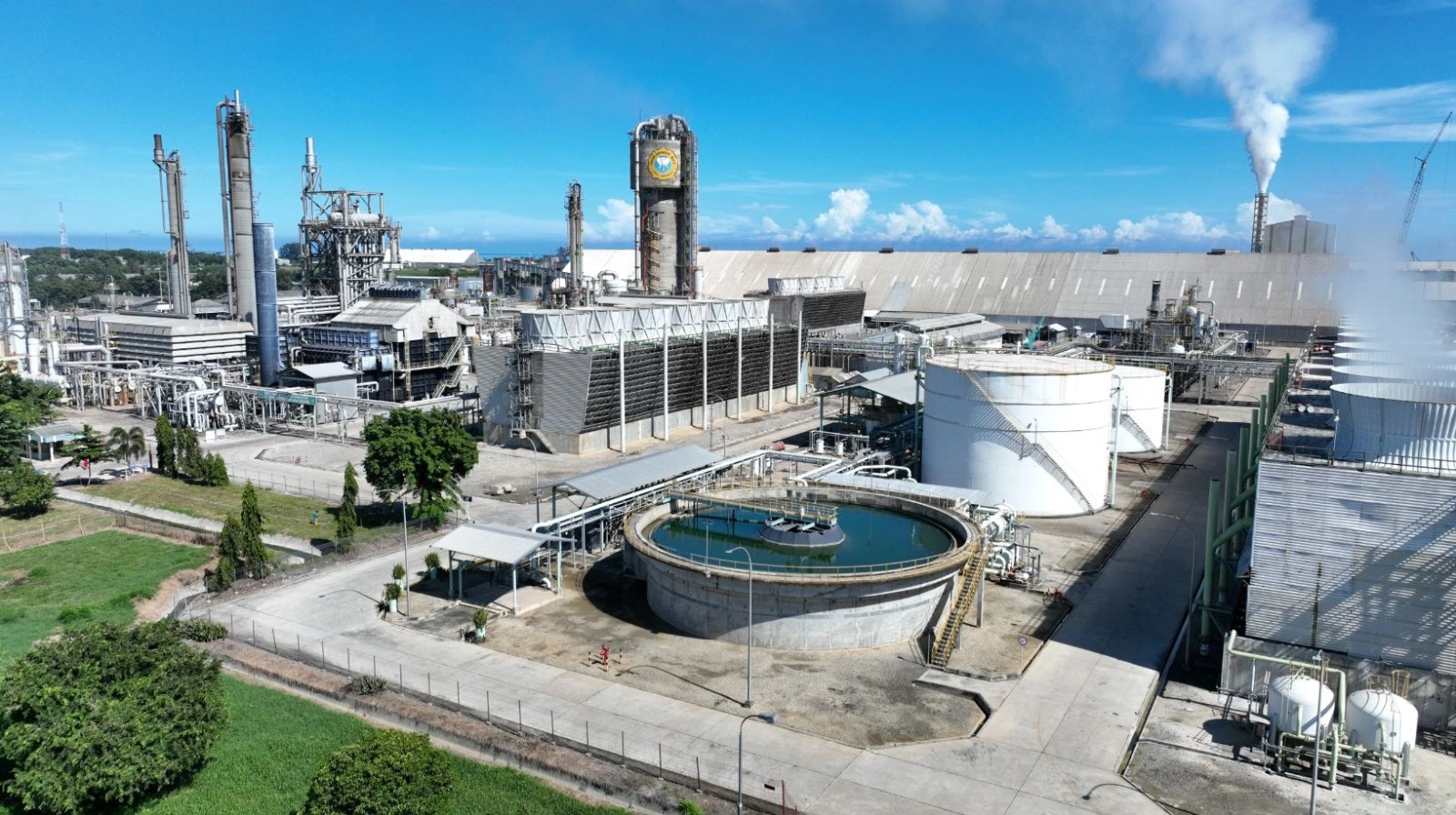
The Indonesian Business Council (IBC) believes Indonesia remains one of the region’s most attractive long-term investment destinations. Its large domestic market, strategic location, demographic advantage, macroeconomic resilience, and abundant natural resources continue to draw domestic and international investors.
For IBC, the key challenge is no longer attracting investor interest, but ensuring that this interest can become projects that are implemented efficiently, operate competitively, and create productive jobs. Industrial estates and Special Economic Zones (SEZs) can help by reducing operational bottlenecks and coordination challenges.
Chief Economist IBC Denni Purbasari said industrial estates and SEZs should be viewed not merely as locations for factories, but as practical mechanisms for reducing the costs and uncertainties associated with doing business. “Indonesia does not lack of investor interest. The challenge is investment execution. Investors often spend significant time and resources coordinating permits, utilities, infrastructure readiness, and interactions with multiple institutions. Industrial estates and SEZs can help simplify many of these processes by providing a more integrated and predictable operating environment,” she said.
According to Denni, industrial estates help reduce one of the largest hidden costs of investing: coordination costs. “Instead of dealing separately with multiple ministries, local governments, utility providers, and licensing authorities, firms can rely on estate managers to facilitate many operational requirements in one place. This reduces fixed costs, shortens lead times, and makes investment projects easier to execute,” she added.
IBC views industrial estate developers and SEZ administrators as important intermediaries that help investors navigate infrastructure, utilities, licensing, environmental services, workforce readiness, and engagement with authorities. By aggregating these functions, they lower barriers to entry and allow firms to focus on production, innovation, and expansion.
However, IBC emphasized that industrial estates and SEZs should complement, not replace, broader improvements in the national business environment. “Industrial estates and SEZs should not become islands of efficiency surrounded by a less predictable business environment. Issues such as security, illegal levies, regulatory uncertainty, and infrastructure gaps must be addressed everywhere. Investors operating outside industrial estates and SEZs should also benefit from a more predictable and competitive business environment. The objective is not to create two different standards of doing business. The objective is to improve Indonesia’s overall investment climate,” Denni closed.
IBC believes these efforts can help Indonesia convert investor confidence into real investment, higher productivity, stronger competitiveness, and better-quality jobs.