IBC Highlights Business Readiness as El Niño Risks Build
The Indonesian Business Council (IBC) highlights the need for stronger business readiness as global climate forecasts signal an increasing risk of El Niño in…
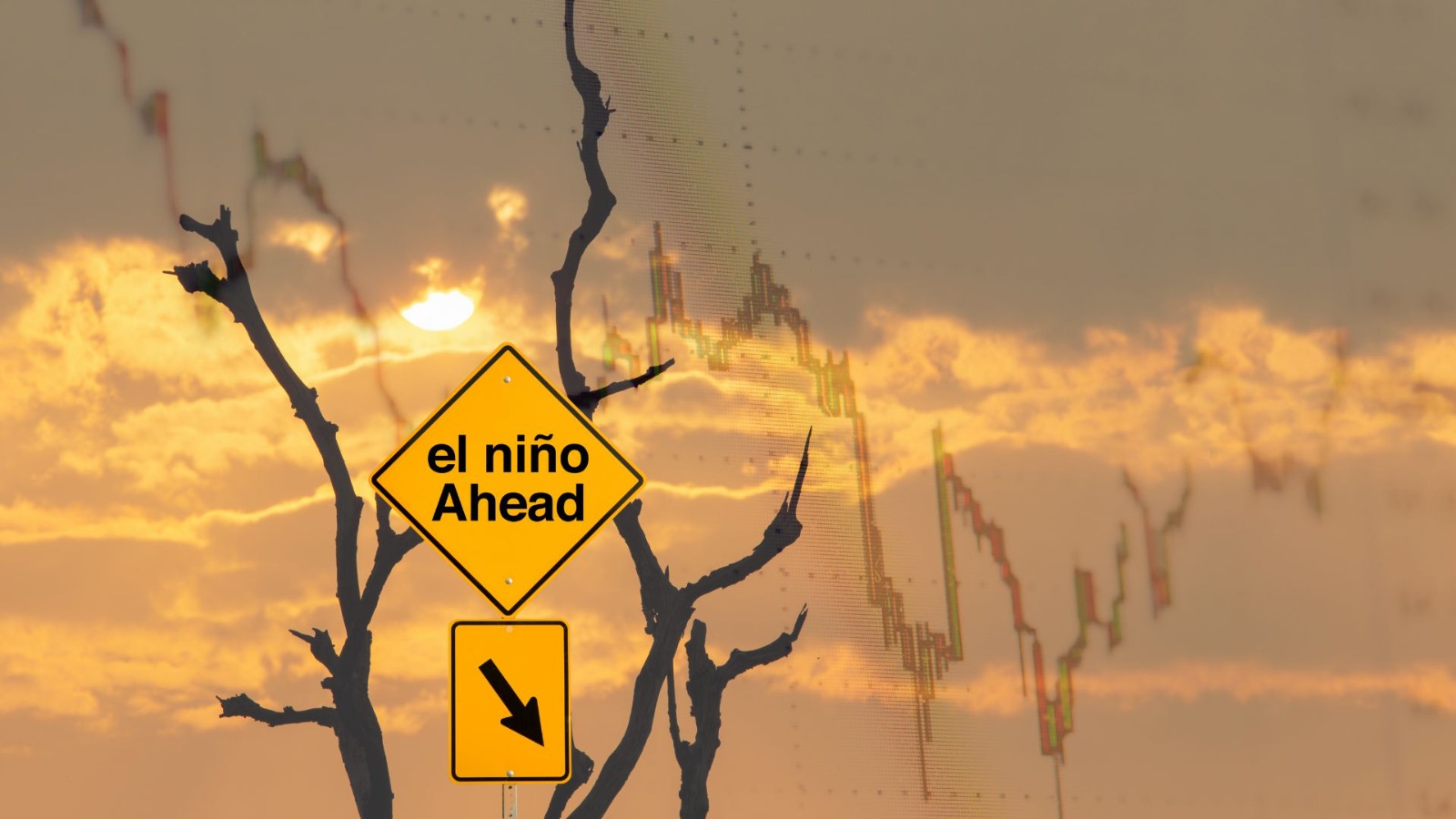
The Indonesian Business Council (IBC) highlights the need for stronger business readiness as global climate forecasts signal an increasing risk of El Niño in the coming months. The World Meteorological Organization has warned that El Niño conditions are developing, with an 80% likelihood of an event during June–August 2026 and a probability of around or above 90% that conditions will continue through at least September–November 2026. Most forecast models project the event could reach at least moderate intensity, with the possibility of strong or very strong conditions.
For Indonesia, El Niño should be treated not only as a climate issue, but also as a business continuity and economic resilience issue. Reduced rainfall, longer dry seasons, and pressure on water availability can affect agricultural output, energy reliability, commodity supply, logistics, operating costs, and inflation expectations.
Principal Policy and Program IBC Rebekka Angelyn said the predictability of El Niño gives businesses and policymakers time to prepare before risks translate into operational disruption. “El Niño forecast provides a window for companies and policymakers to review exposure, strengthen contingency planning, and coordinate across food, water, energy, logistics, and supply chains especially for businesses that involve smallholders in its supply chain before conditions become more disruptive,” she said.
El Niño is a recurring climate phenomenon driven by warmer sea surface temperatures in the equatorial Pacific. In Indonesia, its impact has often been associated with reduced rainfall, longer dry periods, and pressure on agricultural and water resources. The economic costs can be significant and long-lasting. Research published in Science found that after the 1982–83 and 1997–98 El Niño events, the gross domestic product of tropical economies, including Indonesia, was more than 10% lower five years later than it would otherwise have been. Recent experience also shows the risk. The 2023–24 El Niño episode affected agricultural production across Southeast Asia and contributed to pressure on key food and commodity markets.
For businesses, readiness should include stress-testing supply chains, securing water and energy needs, reviewing inventory levels, assessing commodity exposure, strengthening supplier coordination, and preparing mitigation plans for sectors most exposed to weather-related disruption. These steps are especially important for agriculture, food and beverage, energy, logistics, manufacturing, and consumer goods.
IBC encourages the government, business community, and relevant scientific institutions to use the current forecast window to strengthen coordination and preparedness. Early action can help reduce operational disruption, protect vulnerable sectors, and strengthen Indonesia’s broader economic resilience before El Niño conditions require a crisis response.