IBC Highlights Balanced Implementation as Key to Stronger Digital Trade
The Indonesian Business Council (IBC) welcomes the issuance of Trade Minister Regulation No. 19/2026 on Trade Through Electronic Systems as an important step…
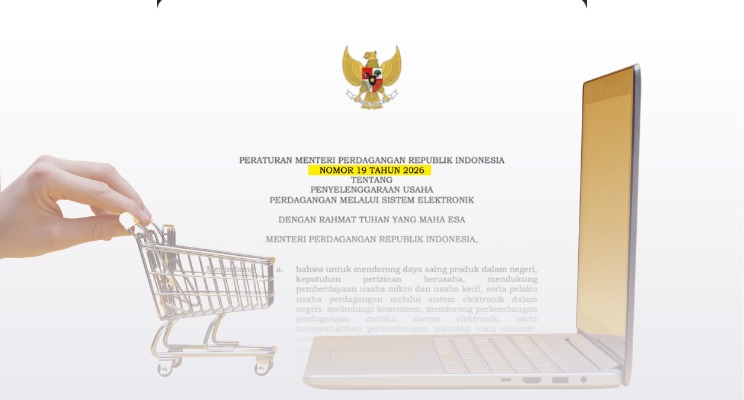
The Indonesian Business Council (IBC) welcomes the issuance of Trade Minister Regulation No. 19/2026 on Trade Through Electronic Systems as an important step to strengthen the governance of Indonesia’s digital trade ecosystem. Indonesia’s digital trade sector has become a key part of the national economy. E-commerce, social commerce, online travel platforms, ride-hailing applications, and other digital channels are now important market infrastructure for consumers, small businesses, logistics providers, payment systems, and investors.
IBC expects the new regulation to provide clearer guidance for digital trade, while supporting local businesses, protecting consumers, and preserving room for innovation. Stronger regulation should help create a fairer market, without adding unnecessary complexity for small businesses or uncertainty for digital platforms.
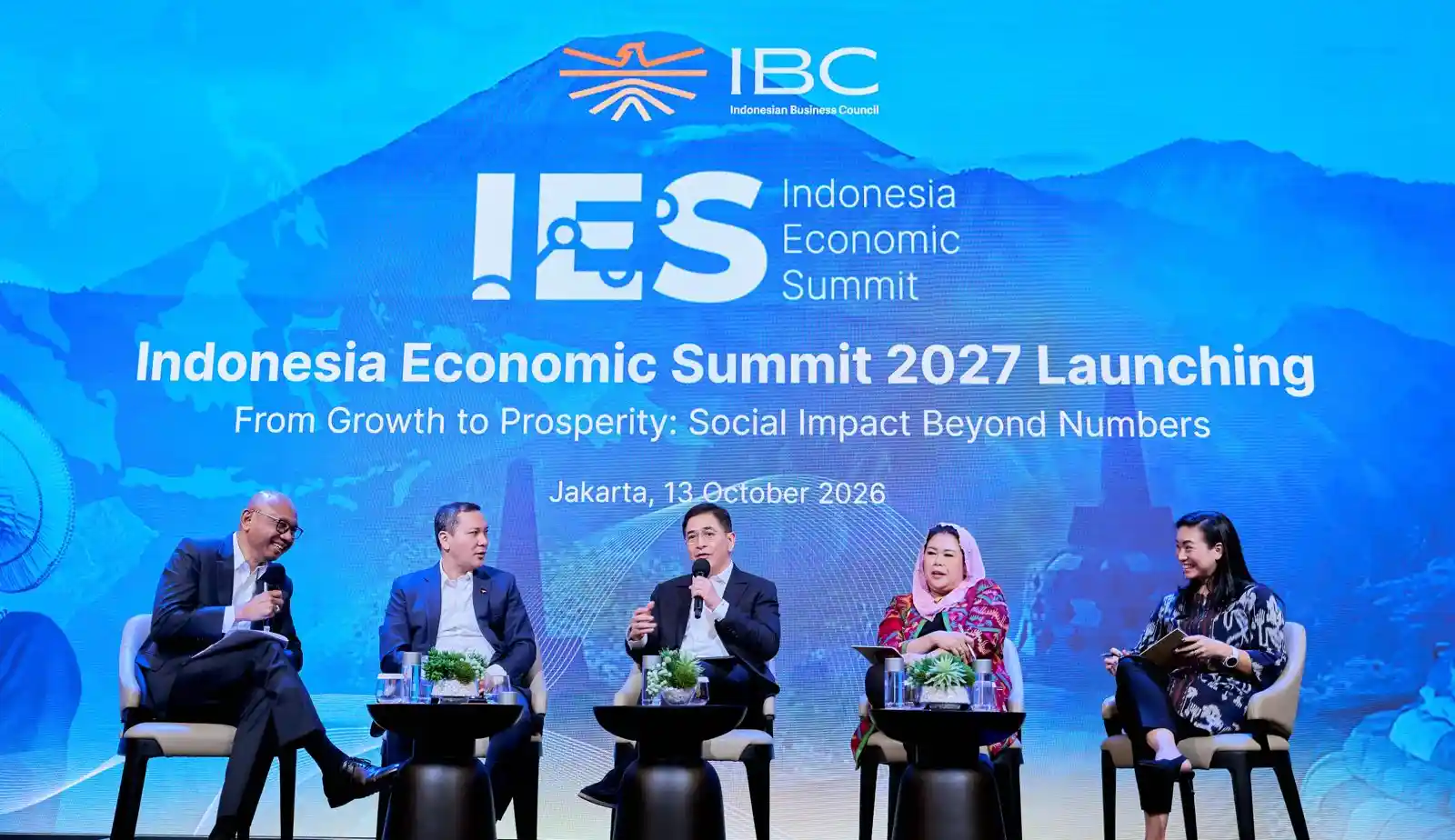
Director of Policy and Program IBC, Prayoga Wiradisuria said the regulation should be applied in a balanced and practical manner. “A stronger digital trade ecosystem requires fairness, transparency, and predictability. The objective should not only be stronger supervision, but also a healthier market where SMEs and local industries can grow, consumers are protected, and platforms still have room to innovate,” he said.
The regulation covers several important areas, including platform fee transparency, product information, protection of domestic products, requirements for foreign merchants, consumer protection, and the responsible use of artificial intelligence in digital trade.
According to Prayoga, fee transparency is important because platform costs can directly affect the competitiveness and operational of small businesses. “For SMEs, fee transparency is not a minor administrative issue. It affects business planning, pricing decisions, and their ability to survive in a competitive market. Clearer rules can help reduce uncertainty, but implementation must remain simple and practical,” he added.
IBC also believes stronger attention to SMEs and local industries should be linked to broader efforts to improve competitiveness. Better visibility on digital platforms will have a greater impact if local businesses are also supported through stronger product quality, logistics, financing, digital capability, and supply readiness. However, implementation should not create unnecessary administrative burdens. Many SMEs rely on digital platforms because they provide easier access to consumers. If compliance becomes overly complex, the businesses that need digital platforms most may be the most affected.
IBC believes that Trade Minister Regulation No. 19/2026 can help Indonesia build a more trusted, fair, and competitive digital trade ecosystem, provided that its implementation remains proportionate, coordinated, and supportive of business growth.