From Market Access to Co-Creation: Turning the Indonesia–Canada CEPA into Business
On 15 November 2026, IBC Chairman of the Board of Trustees Arsjad Rasjid joined the panel “The ASEAN-Canada Momentum: Where Business Sees the Opportunity” at…

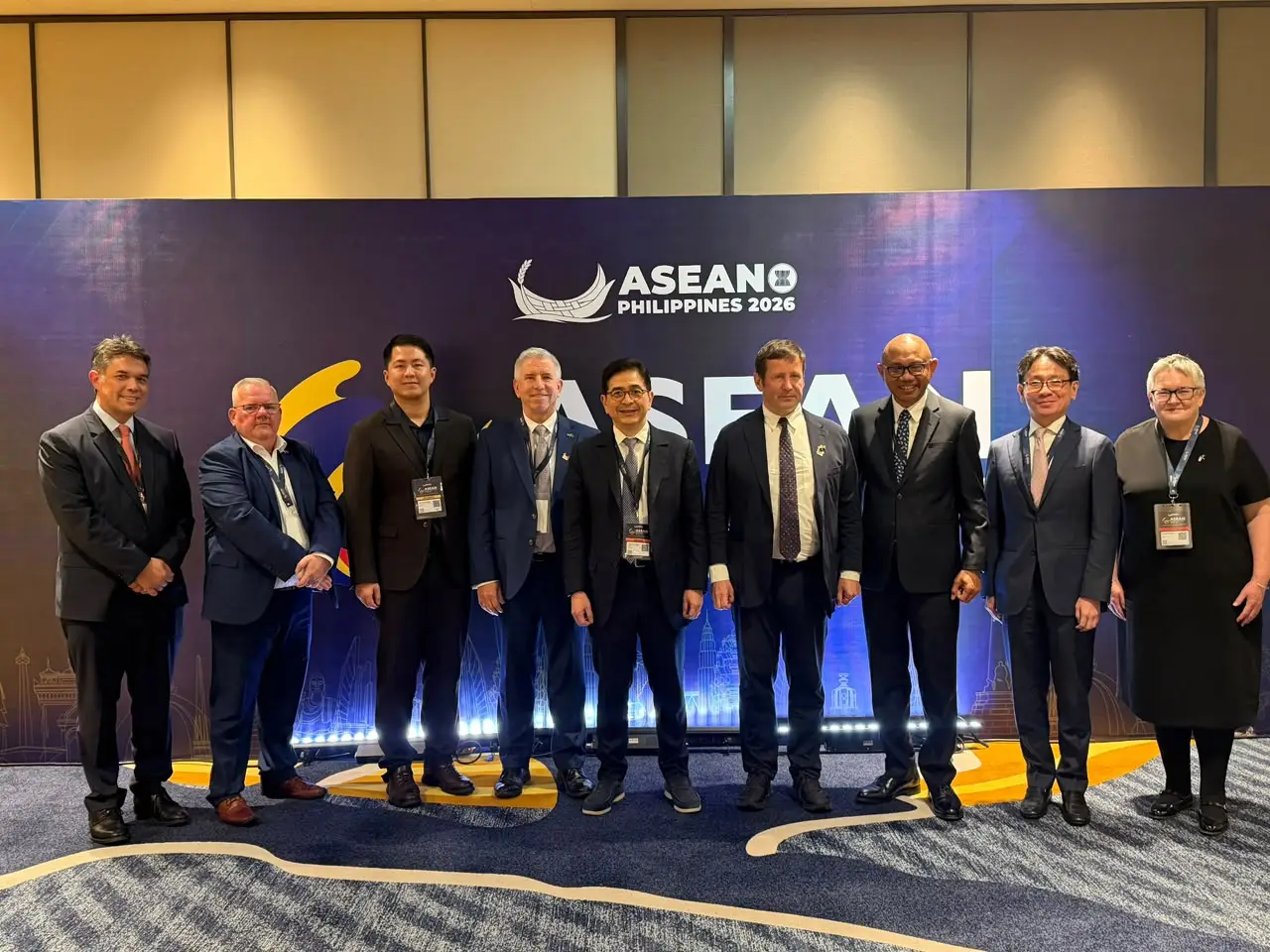
On 15 November 2026, IBC Chairman of the Board of Trustees Arsjad Rasjid joined the panel “The ASEAN-Canada Momentum: Where Business Sees the Opportunity” at the Canada-ASEAN Business Forum 2026 in Manila, moderated by former Canadian trade minister Mary Ng. With the Indonesia–Canada Comprehensive Economic Partnership Agreement (ICA-CEPA) entering into force on 1 December 2026, he noted that the partnership’s potential remains largely untapped: Canada accounts for only about 1 percent of Indonesia’s trade. At the same time, investment already flows both ways, with Indonesian companies investing about CA$5.9 billion in Canada.
He identified four sectors with interest in both directions: critical minerals, energy, forest products, and agri-food. He singled out agri-food as the greatest opportunity over the next five years. Indonesia is now the world’s largest wheat importer, and Canada supplies about a fifth of it. He emphasized that lasting value comes from co-creation, through joint ventures, risk-sharing finance, and mutual recognition of standards, and encouraged Canadian agri-food companies to process in Indonesia as a base for the halal market.
To turn interest into transactions, he highlighted the need to build trust and familiarity between businesses, and to bring smaller firms into the value chains of larger ones. Regulatory certainty is also essential, as set out in IBC’s 3Cs of certainty, capability, and capital. IBC will continue this work with the Canada–ASEAN Business Council, the Business Council of Canada, and partners in government and business through the Indonesia–Canada CEPA Task Force, to ensure the agreement is widely used in its first two years.