

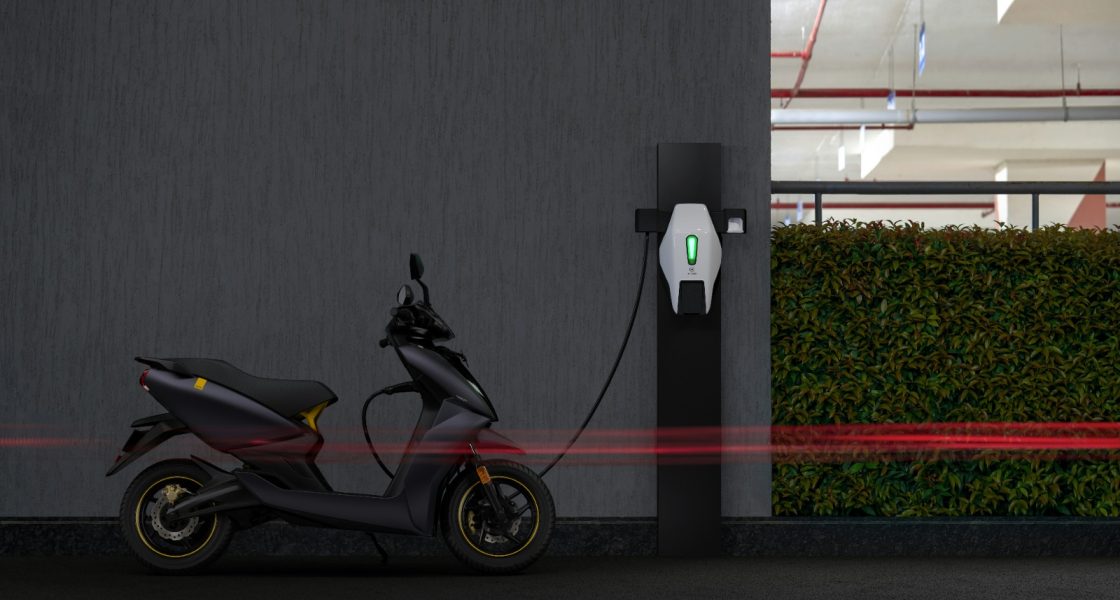
Indonesia’s plan to bring back subsidies for electric motorcycles comes at an important time. The issue is no longer only about clean transportation. It is also about fuel imports, energy security, and how Indonesia can make electric vehicles more accessible to the public. Motorcycles are part of daily life in Indonesia. They are used to go to work, deliver goods, run small businesses, and support family mobility. That is why electric motorcycles can become one of the most practical entry points for Indonesia’s electric vehicle transition.
Indonesia’s EV market is gaining momentum, especially in the two-wheeler segment. In 2024, electric motorcycle sales passed 100,000 units for the first time, while battery-electric vehicle sales reached 43,188 units, up 151 percent from the previous year. However, the momentum remains fragile. After the previous subsidy ended, electric motorcycle sales fell to 55,059 units in 2025. This shows that public interest is growing, but affordability remains a key factor in consumer decisions.
The proposed Rp5 million subsidy per unit can help revive demand. It can also send a positive signal to producers, investors, and consumers that Indonesia remains serious about building its electric vehicle ecosystem. For consumers, the subsidy can help reduce the upfront cost. For the industry, it can provide clearer demand visibility and encourage producers to scale production.
But subsidies alone will not be enough. Consumers also need confidence that electric motorcycles are practical to use. This means better access to charging and battery-swapping stations, reliable after-sales service, affordable financing, and clear information about product quality.
“Subsidies can help restart market momentum, but they should not be treated as a stand-alone policy,” said Rebekka Angelyn, Principal Policy & Program IBC. “Indonesia needs consistent policy, stronger infrastructure, and better coordination between government and industry so that electric motorcycle adoption can support both energy security and industrial competitiveness.”
For Indonesia, electric motorcycles are not only about replacing fuel-based vehicles. They are also about building a more resilient transport system, reducing dependence on imported fuel, and creating room for the domestic industry to grow. The opportunity is already visible. The next step is to make sure the policy is executed clearly, consistently, and at scale.